

Embodied Spiritual Practices for Uncertain Times
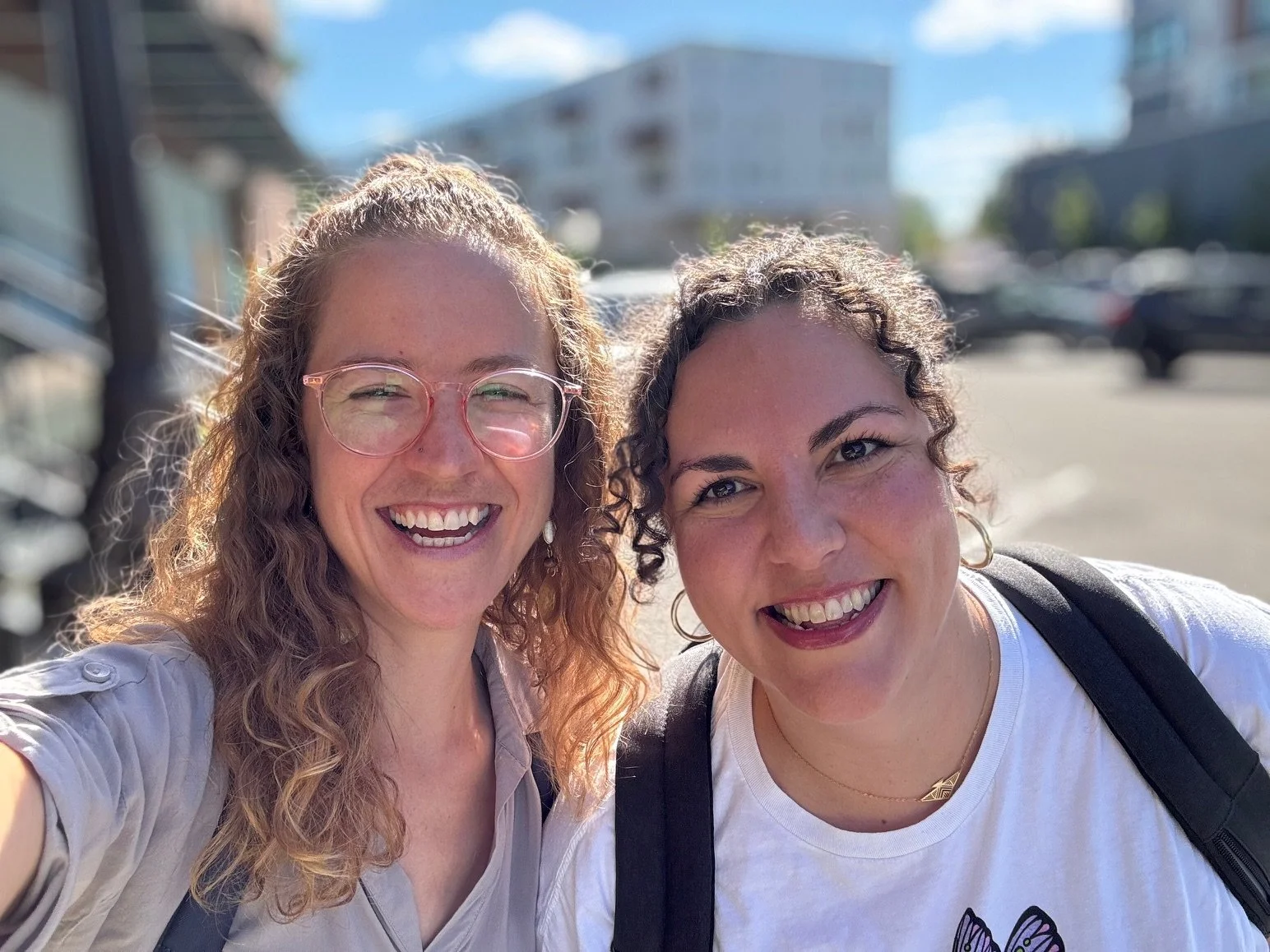
We are two justice-seeking, embodiment practitioners, passionate about equipping change-makers with an embodied perspective and life-sustaining practices that can help to carry our resistance movements through these incredibly intense times.
Welcome, We’re glad you’re here.
Why Embodied Practices for Change-Makers?
The body is where we feel connected or alone, rooted or unmoored, helplessness or agency, afraid or supported. It’s where we keep showing up or where we burn out.
This accessible, 6 module video series introduces the role our nervous systems are playing in our lives and leadership, illuminating practices and pathways back to presence, connection and agency in a time that calls for powerful, sustained action over time.
What’s included with each module?
Videos
One (10-15 min) teaching video
One (10-15 min) guided practice video.
Reflection Questions
Reflective questions for connecting the learnings to your life and leadership. These can be engaged individually or used for discussion with a group!
Ideas for Integration
Activities and prompts for integration & application of the learnings into daily life.
The small group version also includes a facilitator guide!
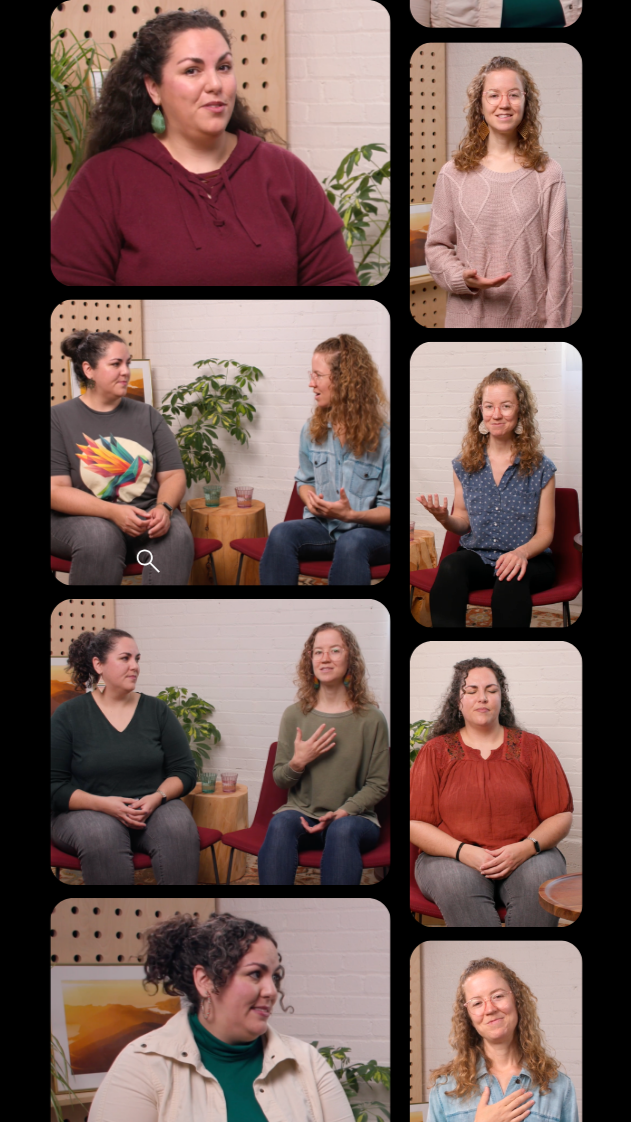
More about the modules:
-
Themes:
Our nervous systems are experiencing a lot in this time of collective crisis.
Our bodies are wise and good - and without the capacity to tend to them, we will struggle to move with resilience and integrity.
We need deeper roots - practices and relationships to ground us for the long-haul of justice work.
Practice One: Rooting in Relationship
-
Themes:
Trauma, or experiences that overwhelm our capacity, powerfully shape our nervous systems.
While these protective patterns are wise and protective, they can be exploited by systems of supremacy and leave us acting out of alignment with our values.
Somatic practices for supporting our bodies’ sense of connection and relative safety during and after charged moments can help us move towards choice and presence.
Practice Two: Connecting With The Web of Life
-
Themes:
Trauma, or experiences that overwhelm our capacity, powerfully shape our nervous systems.
While these protective patterns are wise and protective, they can be exploited by systems of supremacy and leave us acting out of alignment with our values.
Somatic practices for supporting our bodies’ sense of connection and relative safety during and after charged moments can help us move towards choice and presence.
Practice Three: Mash-up of Somatic Practices for The Day-to-day
-
Themes:
Each person’s identities and relationship to power structures, shapes their embodied patterns as well, and the ways they are likely experiencing this chapter in our country’s history. These patterned responses also interact with the patterned responses of others.
Self-stewardship, the capacity and commitment to tending to our own body and spirit, can support all of us in being in cultivating right relationship, without demanding care-taking from others or over-extending to reflexively soothe others’ discomfort ourselves.
Practice Four: Compassion/Boundary Pracitce
-
Themes:
The feeling of powerlessness, a sense that we cannot control the conditions of our world, is a painful and inherent part of life as humans.
Many of us grew up with a control-based, power-over understanding of power. Indigenous wisdom offers a much more nuanced picture. And power, as in the ability to shape our world through our collective action, is something we can build in service of our values.
We can all deepen our own embodied sense of our power, and use our power within our own unique lanes and spheres of influence to contribute to liberation.
Practice Five: Feeling Our Power
-
Themes:
Joy is often framed as frivolous or trite in justice movements, but it can play a necessary and even strategic role in sustaining our work towards a more liberated world.
Joy can be cultivated in countless ways: through gratitude practices, music, art, rest, community etc.
When stress and trauma numbs or closes us to joy, leaning intentionally into connection with people, nature and spirit can reopen our capacity for joy and sustain our values-rooted action.
Practice Six: Two Joy Practices!
How it could work for your group!
For use with a small group, these modules can function like a book group, where participants watch the videos on their own before meeting to reflect and practice together. Alternatively, your group can gather to watch the videos together.
Possible Small Group Timeframes:
Barebones: 2-3 sessions (primarily a self-guided experience, occasional group processing)
Standard: 6 sessions (one for each video)
Recommended: 8 sessions (allows for a closing session & a welcome session)
This series can be adapted for:
Groups of any secular or faith-based perspective
In-person or virtual gatherings
60 or 90 minute sessions
You’re welcome to:
Weave in language and framing familiar to your group
Integrate relevant sacred texts and opening/closing prayer from your tradition
Choose how much of the videos to watch during session vs. only between sessions
Use the session outlines provided in the facilitator guide, or adapt them to your liking

Series Cost:
You’re invited to pay what you can, with these suggestions!
Small org/congregation: $300
Medium org/congregation: $450
Large org/congregation: $600
Individual use: $69
Organizations/Congregations:
Once your org has purchased the series, your org will have it’s own code to share with unlimited participants. Each participant can then create their own login using that code, accessing the series on their own time indefinitely.
This code can be used with one group, or many groups over time.
About “Pay What You Can” Pricing:
This approach reflects our deep desire for this series to be used as broadly as possible. If the cost of this offering is prohibitive to you for any reason, please reach out to racheljoysomatics@gmail.com about a sliding scale option! People facing systemic barriers to financial stability are especially encouraged to reach out.
If you are a person or organization with financial resource, we ask that you pay at or above the suggested rate, allowing us to offer this resource for less to folks who can’t pay!
A Little More About Your Guides
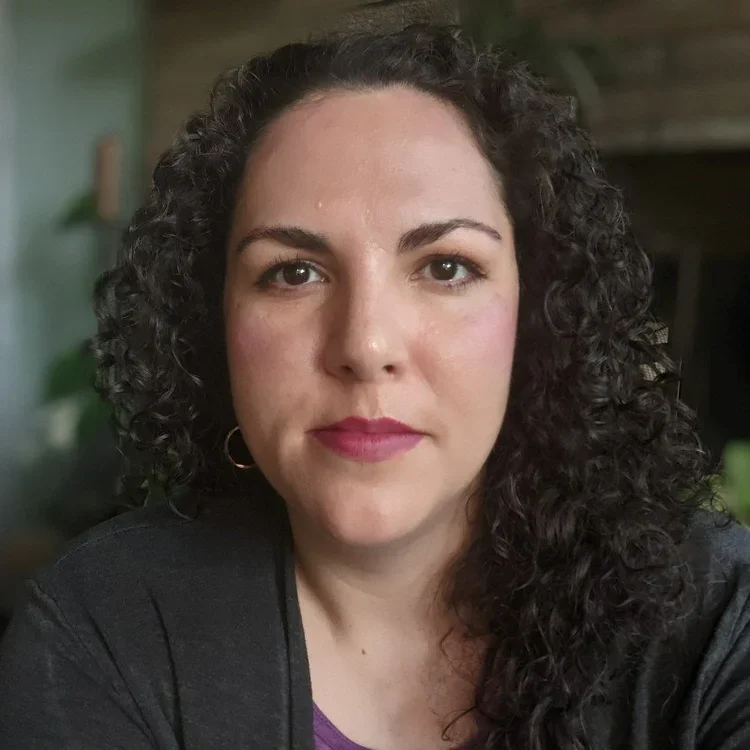
Anna Kendig Flores
Antiracism Coordinator of the PTCA
Anna Kendig Flores (she/her/ella) served as a certified interfaith and secular chaplain for over 10 years, and is a leader with specialties in mental health, addiction, organizational ethics & equity. In her role as Antiracism Coordinator for 55 congregations in the Twin Cities and beyond, she incorporates spiritual practices with a holistic approach to "anti-racist living" that seeks to build wholeness in communities from the inside-out.
When she's at play, Anna can be found nurturing her indoor/outdoor garden filled with the Mexican, Syrian & Lebanese foods of her family roots, practicing healthy urbanism on her bike, and reading solarpunk & afrofuturist fiction.
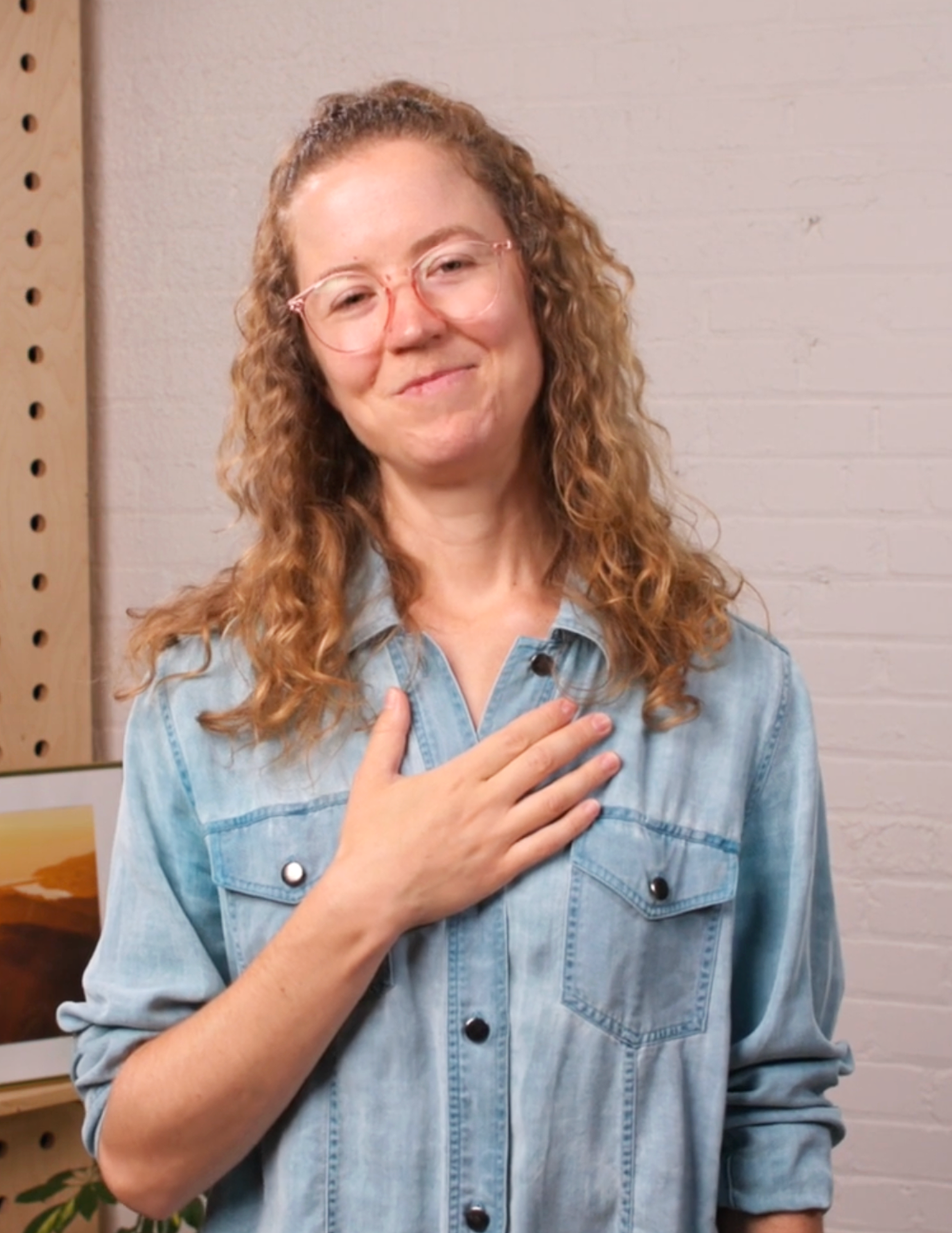
Rachel Svanoe Moynihan
With a background in sociology, Rachel spent the first part of her career doing experiential education and leadership development with justice-seeking young adults. Eventually, she found her way to politicized somatic work, as a path for getting down to the embodied roots of our patterns of harm, and our capacity for change. Since then, she’s been gathering people around this learning and practice, often groups of fellow white folks with an antiracism focus. Rachel (trained in Somatic Experiencing) also does 1:1 somatic coaching with folks in her Minneapolis community.
Outside of work, Rachel loves spending time with her Ashkenazi Jewish and Scandinavian family, loves community singing, asking juicy questions, taking walks at Powderhorn Park, and laughing with her partner.
Facilitation Support from Rachel
This series does not need an experienced embodiment facilitator to be meaningful! However, if you’d like to bring Rachel in to support your group’s learning/processing, feel free to reach out.
This could look like:
An Intro Session
2-3 Sessions along the way
An Integration Session at the end
A few virtual coaching sessions for your facilitator